L-Citrulline vs L-Arginine: Which and How Much
L-citrulline and L-arginine compared: how each works, the amounts studied, citrulline malate versus pure powder, timing, side effects and who should avoid them.
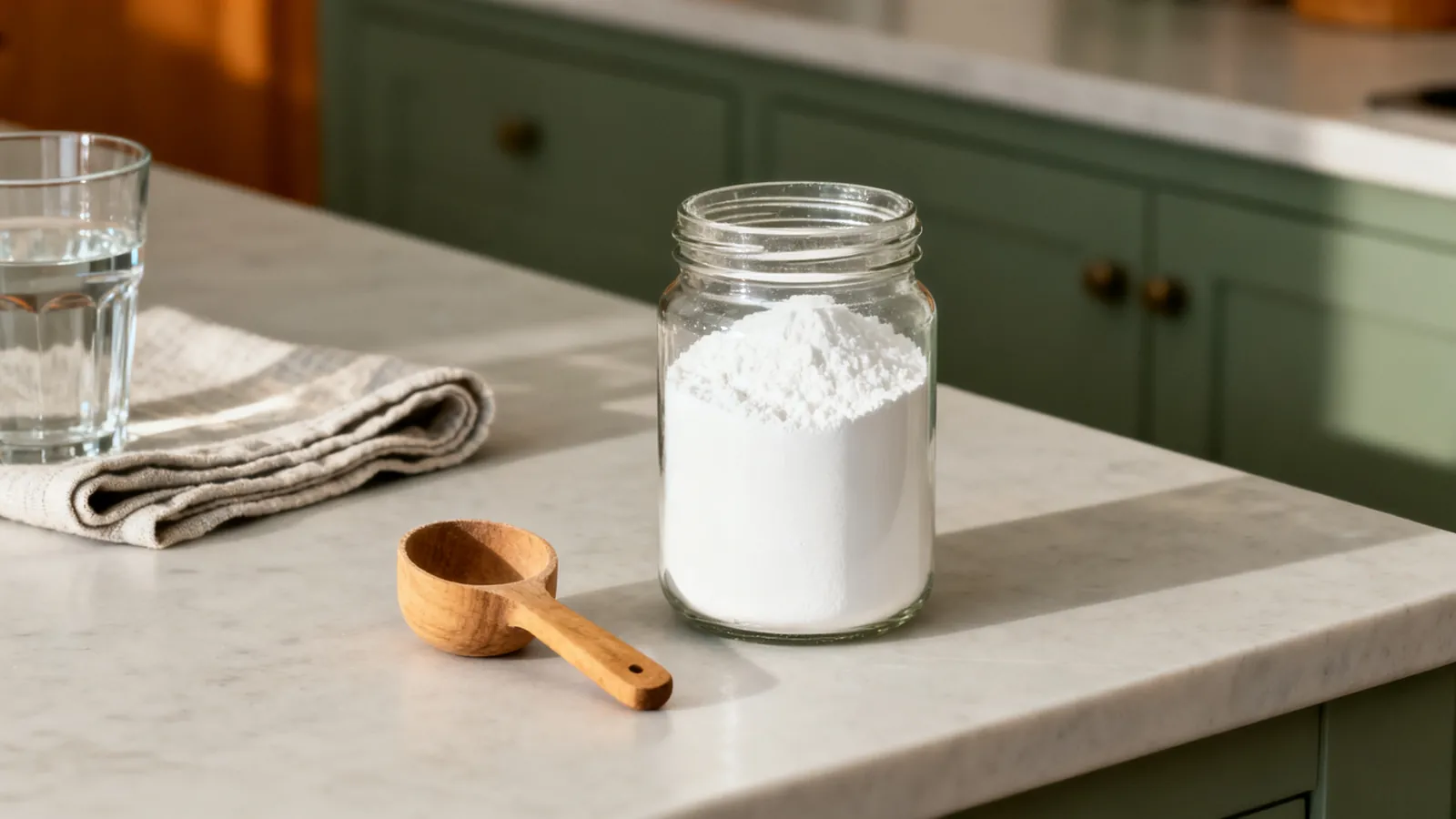
L-citrulline and L-arginine are both amino acids sold for the same purpose: more nitric oxide, better blood flow, and the fuller feeling in muscle that gets marketed as a pump. They are not interchangeable. Arginine is the direct raw material for nitric oxide, but it is poorly absorbed at the doses used in supplements. Citrulline is not used directly at all; it is converted to arginine in the body, and it survives digestion better. That difference explains why most of the newer research and most pre-workout labels have moved toward citrulline, and why arginine still sits on shelves at doses that were never shown to do much.
What the research shows for each amino acid
Nitric oxide is a signalling molecule that relaxes the smooth muscle in blood vessel walls. More of it means wider vessels, more blood reaching working muscle, and a modest drop in blood pressure. Both amino acids feed that pathway, but by different routes.
Arginine is the substrate the enzyme nitric oxide synthase uses directly. The problem is bioavailability. A large share of oral arginine is broken down in the gut and liver before it reaches the bloodstream, so blood levels rise less than the dose would suggest. Trials using arginine for exercise performance have generally been small and inconsistent. Some show a small effect on blood flow markers; others show nothing. Reviews tend to describe the evidence as weak, particularly at the lower doses found in many products.
Citrulline takes an indirect route. It passes through digestion largely intact, then the kidneys convert it to arginine. Because it is not degraded the same way, it raises blood arginine more effectively than arginine itself does. This is the finding that reshaped the category. Studies on citrulline have looked at resistance-training volume, repetitions to failure, muscle soreness, and blood flow. Results are not uniform, but the signal is stronger and more consistent than for arginine, especially for resistance exercise and for measures of vascular function. Reviews of the research generally rate the evidence as moderate for citrulline and limited for arginine.
Neither amino acid is a drug. Neither has been shown to prevent or treat any disease. What the research suggests is a small performance and blood-flow effect in some people, with honest uncertainty about how large it is.
Citrulline malate or plain citrulline: what the label is telling you
Citrulline is sold in two main forms, and the difference matters when reading a dose.
Pure L-citrulline is just the amino acid. A 6 g scoop delivers 6 g of citrulline.
Citrulline malate is citrulline bound to malic acid, usually in a 2:1 ratio. That means roughly two-thirds of the powder is citrulline and one-third is malate. A 6 g scoop of 2:1 citrulline malate provides about 4 g of actual citrulline. Malate participates in the energy cycle, but it is not the reason the form is used; the ratio is mostly a delivery and taste consideration.
This is the single most common source of confusion in the category. A label that lists 6 g of citrulline malate is not the same as 6 g of citrulline, and comparing studies across the two forms requires converting. When a trial reports a citrulline malate dose, the citrulline content is what matters for the nitric oxide pathway.
How much to take and when
Doses in the research and on standard labels cluster in a fairly narrow range.
For pure L-citrulline, studies have commonly used 3-6 g taken 40-60 minutes before training. For citrulline malate at a 2:1 ratio, studies have commonly used 6-8 g, which supplies roughly 4-5 g of citrulline. These are the amounts that appear in the literature; there is no established benefit to going higher, and labels should not be exceeded.
For L-arginine, studies have commonly used 3-6 g, though as noted the absorption problem limits how much reaches circulation. Some trials have used larger amounts, but gastrointestinal tolerance becomes the limiting factor well before any clear performance benefit appears.
Timing is similar for both: 40-60 minutes before exercise, on an empty-ish stomach. Citrulline is often taken daily rather than only on training days in studies looking at vascular measures, since the effect appears to build with consistent intake rather than peak acutely.
The tingle, the jitters and what else is in the tub
Citrulline and arginine are rarely sold alone. Most pre-workout formulas combine them with other ingredients, and the sensations people attribute to citrulline often come from something else.
Beta-alanine produces a harmless but unmistakable tingling or prickling under the skin, usually starting 15-20 minutes after intake and fading within an hour. It is not an allergic reaction and not a sign the product is working. Studies have commonly used 2-5 g daily, and the performance effect comes from muscle carnosine loading over weeks, not from a single dose.
Caffeine is the ingredient with the clearest performance evidence. Studies have commonly used 3-6 mg per kilogram of body weight, though many people do well with less. It is also the ingredient most likely to cause jitters, raised heart rate, disrupted sleep and, at high intakes, anxiety-like symptoms. Caffeine is not appropriate for everyone, and total daily intake from coffee, tea, energy drinks and pre-workout adds up.
Nitrates, usually from beetroot or similar concentrates, work through a separate pathway and have their own evidence base. They are not the same as citrulline or arginine and should be counted separately when reading a label.
Side effects, interactions and who should avoid these
Both amino acids are generally well tolerated at the amounts studied. The most common complaints are stomach upset, loose stools and, for arginine, a drop in blood pressure that can cause lightheadedness.
Blood pressure is the main caution. Both citrulline and arginine widen blood vessels and can lower blood pressure. Anyone taking blood pressure medication, or any medication that affects blood vessel tone, should talk to a prescriber before adding either. Combining them with such medication can push blood pressure too low. Do not stop or change prescribed medication without the prescriber.
The interaction that gets the most attention is with erectile dysfunction drugs in the PDE5 inhibitor class. These drugs act on the same nitric oxide pathway, and combining them with a nitric oxide-boosting supplement can amplify the blood-pressure-lowering effect. This is a conversation for a doctor or pharmacist, not a label.
Other groups who should be cautious or avoid these supplements: anyone with low blood pressure, anyone scheduled for surgery (both can affect blood pressure during anaesthesia), people with herpes simplex virus (arginine has been studied in relation to outbreaks, and some clinicians suggest caution), and anyone pregnant or breastfeeding, where safety data are lacking. People with kidney disease should not take amino acid supplements without medical advice.
Anyone taking medication, pregnant or breastfeeding, or managing a medical condition should speak to a doctor or pharmacist before starting either supplement.
Common mistakes and what these supplements cannot do
A few recurring errors are worth naming.
Confusing citrulline malate with citrulline. As above, the dose on the label is not the dose of citrulline. Read the form and do the arithmetic.
Expecting arginine to work like citrulline. The absorption problem is real. If the goal is raising arginine availability, citrulline is the more efficient route, and the research reflects that.
Treating the pump as proof of long-term results. Blood flow during a session is not the same as muscle growth over months. Training, protein intake and recovery drive adaptation; the pump is a side effect, not the mechanism.
Assuming more is better. The studied ranges are modest, and higher doses mostly buy gastrointestinal discomfort.
What these supplements cannot do: they do not cure, treat or prevent any disease, they do not replace prescribed blood pressure or erectile dysfunction medication, and they will not compensate for poor training or nutrition. Evidence for performance effects is modest and not universal; some people notice little.
Comparing the options
| Option | Typical studied amount | Citrulline delivered | Notes | Who it does not suit |
|---|---|---|---|---|
| L-citrulline (pure) | 3-6 g, 40-60 min pre-training | Full dose | Best absorption profile; simplest to dose | Low blood pressure; on BP medication; before surgery |
| Citrulline malate 2:1 | 6-8 g, 40-60 min pre-training | About 4-5 g | Check the ratio; dose is not citrulline dose | Same as above; sensitive stomachs |
| L-arginine | 3-6 g | Not applicable | Poor oral bioavailability; weaker evidence | Low blood pressure; on BP medication; herpes history; before surgery |
| Beta-alanine (often stacked) | 2-5 g daily | None | Tingling is expected; effect builds over weeks | Not for those who dislike the tingle; no BP caution |
| Caffeine (often stacked) | 3-6 mg/kg | None | Strongest performance evidence; jitter and sleep risk | Heart conditions; anxiety; pregnancy; poor sleepers |
Reading a pre-workout label
Start with the form of citrulline and the actual amount, not the proprietary blend total. If the label lists a blend without individual amounts, the dose of anything in it cannot be assessed. Check whether the citrulline figure refers to citrulline malate or pure citrulline and convert accordingly. Then look at caffeine content per scoop, since it is often higher than expected and stacks with coffee. Finally, check for nitrates and any other vasodilating ingredients, because their effects add to citrulline’s rather than replacing it.
For anyone on blood pressure medication, with a heart condition, or taking erectile dysfunction drugs, the label check comes second to a conversation with a doctor or pharmacist.
Common questions
Is citrulline better than arginine for a pump?
The research generally favours citrulline. Arginine is the direct raw material for nitric oxide, but much of an oral dose is broken down before it reaches the bloodstream. Citrulline passes through digestion better and is converted to arginine in the body, so it raises blood arginine more effectively. Effects are modest either way and not everyone notices them.
How much citrulline malate should I take?
Studies have commonly used 6-8 g of citrulline malate at a 2:1 ratio, taken 40-60 minutes before training. That supplies roughly 4-5 g of actual citrulline. Check the ratio on the label, because a 1:1 product delivers a different amount of citrulline for the same scoop.
Does citrulline lower blood pressure?
It can, because it increases nitric oxide, which relaxes blood vessel walls. That is why anyone taking blood pressure medication or erectile dysfunction drugs should speak to a prescriber before using it. Do not stop or change prescribed medication without the prescriber.
Can I take citrulline and arginine together?
They are often stacked in pre-workout formulas, and there is no known dangerous interaction between the two. Both act on the same pathway, so the blood-pressure-lowering effect may add up. Anyone with low blood pressure or on related medication should get medical advice first.
When should I take L-citrulline?
Most studies use it 40-60 minutes before exercise. Some trials looking at vascular function use daily intake rather than timing around a session, since the effect appears to build with consistency. Either approach is reasonable within the studied amounts.
Read next
Nitric Oxide Supplements: Citrulline, Arginine and Nitrate
How nitric oxide supplements work, why citrulline beats arginine, nitrate dosing, caffeine limits, and who should avoid these pre-workout ingredients.

Nitrate-Rich Foods and Nitric Oxide Before Training
How beetroot, rocket and spinach raise nitric oxide, why mouthwash matters, and how dietary nitrate compares with citrulline and arginine pre-workout.
Non-Stim Pre-Workout: Ingredients, Doses, Who It Suits
A non-stim pre-workout relies on citrulline, beta-alanine, nitrates and glycerol. What the research shows, doses studied, and who should skip caffeine.