How Much Protein to Eat When Losing Weight
Protein needs rise in a calorie deficit. Here are the grams per kilogram used in research, per-meal amounts, food sources, and who should be cautious.
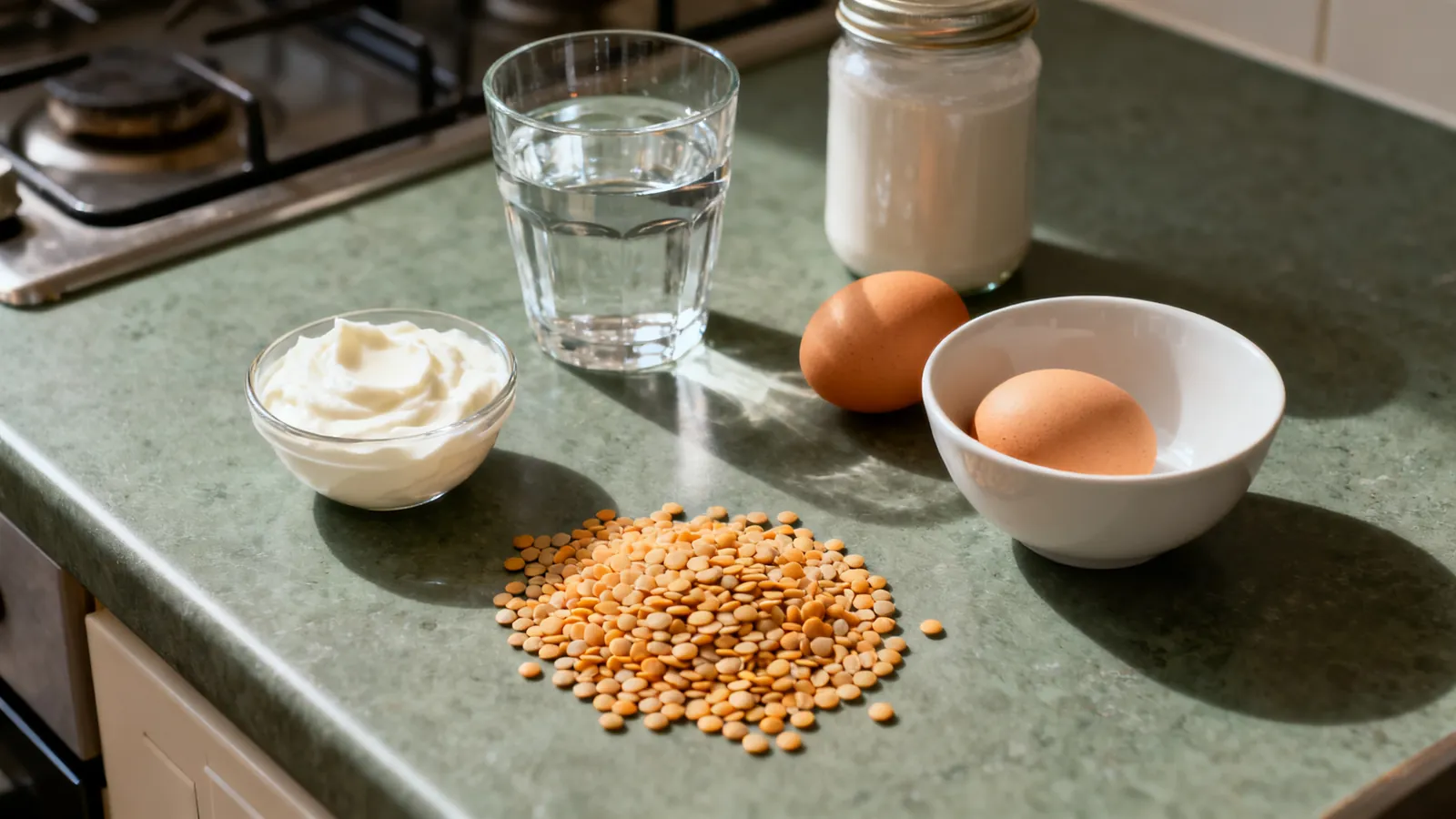
Protein needs do not stay the same when calories drop. A calorie deficit is a signal to the body that energy is scarce, and the body can respond by breaking down muscle for amino acids. Eating more protein than usual, and spreading it across the day, is one of the few practical levers that helps preserve lean mass while fat mass falls. The question is not whether protein matters during weight loss, but how much, from what, and when.
What the research shows
The evidence on protein and weight loss is consistent in direction but not precise in dose. Reviews of controlled trials generally find that higher-protein diets, compared with standard-protein diets of the same calories, produce slightly greater fat loss and better retention of lean mass. The effect on total weight lost is often small; the effect on body composition is more reliable. Protein also has a measurable effect on satiety, meaning it tends to reduce hunger between meals more than equivalent calories from fat or carbohydrate.
The strength of the evidence varies by outcome. For preserving lean mass during a deficit, the evidence is moderate and fairly consistent. For appetite control, the evidence is moderate but depends on the rest of the diet. For total weight lost, the advantage over other diets is modest and often fades when adherence is equal. No single protein amount has been shown to be optimal for everyone, and most trials use ranges rather than exact targets.
A common finding is that protein needs during weight loss are higher than the official minimum for sedentary adults. The minimum is set to prevent deficiency, not to support muscle retention during energy restriction. Trials in people eating less than maintenance commonly use 1.6 to 2.4 grams per kilogram of body weight per day, with the higher end used when the deficit is large or the person is training hard. Above roughly 2.4 g/kg, the additional benefit for lean mass appears small in most studies.
How much protein to eat in a deficit
Targets are usually set against body weight, but during weight loss the picture is complicated by excess fat. If body fat is high, using total body weight can overshoot. A common approach is to use goal weight, or to use lean body mass if it is known. The ranges below are the ones most often used in research and on standard labels.
| Goal | Grams per kg of body weight | Grams per kg of goal weight | Notes |
|---|---|---|---|
| General health, no deficit | 0.8–1.0 | 0.8–1.0 | Minimum to prevent deficiency |
| Weight loss, sedentary | 1.2–1.6 | 1.2–1.6 | Higher than maintenance |
| Weight loss, resistance training | 1.6–2.2 | 1.6–2.0 | Best evidence for lean mass |
| Large deficit or very lean | 2.0–2.4 | 1.8–2.2 | Upper end of common ranges |
| Over 40, losing weight | 1.6–2.2 | 1.4–2.0 | Muscle retention is harder |
For a person who weighs 90 kg and wants to reach 80 kg, a target of 1.6 to 2.0 g/kg of goal weight works out to roughly 128 to 160 grams a day. For someone at 70 kg with a goal of 65 kg, 1.6 to 2.0 g/kg of goal weight is about 104 to 130 grams a day. These are ranges, not rules. A protein calculator for weight loss can put a number on it using current weight, goal weight, activity and training status; the site’s own tool at /tools/protein-calculator/ does exactly that.
Per-meal amounts matter as well. Muscle protein synthesis responds to a single dose of protein, and the response tends to plateau somewhere around 20 to 40 grams of high-quality protein per meal in adults. Older adults often need the higher end of that range. Spreading protein across three or four meals, rather than loading it at dinner, is the pattern most often studied. A common practical target is 25 to 40 grams per meal, four times a day, which lands most people in the daily ranges above.
Food first, powder second
Whole foods can meet these targets without supplements. The table below shows approximate protein per common serving. Values vary by cut, brand and preparation, so treat them as close estimates.
| Food | Serving | Protein (approx.) |
|---|---|---|
| Chicken breast | 100 g cooked | 30 g |
| Lean beef | 100 g cooked | 26 g |
| Salmon | 100 g cooked | 25 g |
| Greek yogurt, plain | 170 g | 17 g |
| Cottage cheese | 100 g | 11 g |
| Eggs | 2 large | 12 g |
| Lentils | 1 cup cooked | 18 g |
| Tofu, firm | 100 g | 12 g |
| Whey or plant protein powder | 1 scoop | 20–25 g |
Powders are convenient, not superior. They help when appetite is low, when meals are rushed, or when a person cannot reach the target from food alone. Whey is high in leucine, the amino acid most tied to muscle protein synthesis, and is digested quickly. Plant blends, especially pea and rice combined, can match whey for total amino acids but usually need a slightly larger dose. A scoop in water or milk is a meal component, not a meal.
BCAAs, EAAs and glutamine: the honest case
Branched-chain amino acids (BCAAs) contain leucine, isoleucine and valine. They are popular during weight loss, but the evidence for them is weak when total protein is adequate. Reviews generally find that BCAAs do not add to muscle retention or fat loss when daily protein is already in the ranges above. They may have a small role when protein intake is low or when a person cannot eat, but they are not a substitute for complete protein.
Essential amino acids (EAAs) contain all nine amino acids the body cannot make. They are closer to a complete protein and have been studied for muscle protein synthesis, often in older adults or in clinical settings. The evidence is stronger than for BCAAs, but whole protein still does the same job at lower cost for most people. EAAs are a reasonable option when appetite is very poor or when a person cannot tolerate whole foods.
Glutamine is the most abundant amino acid in the body. It has been studied for gut health and immune function in clinical populations, but the evidence for fat loss or muscle retention in healthy people eating enough protein is limited. It is not a weight-loss supplement. Anyone considering it should know that the research does not support a meaningful effect on body composition in this context.
Side effects, interactions and who should avoid high intakes
High-protein diets are generally well tolerated in healthy people. Common side effects are digestive: bloating, constipation or loose stools, especially when protein rises quickly or when powders replace fibre-rich foods. Increasing water and vegetables usually helps.
Kidney disease is the main caution. People with chronic kidney disease are often advised to limit protein, and the amount depends on the stage and on whether dialysis is used. Anyone with reduced kidney function should not raise protein intake without a doctor or renal dietitian. The same applies to people with a single kidney, a history of kidney stones, or liver disease.
Very low calorie diets, usually defined as under 800 calories a day, should only be used under medical supervision. They can be effective in the short term but carry risks including gallstones, electrolyte problems and loss of lean mass. Protein targets on these diets are set by a clinician, not by a general calculator.
Protein supplements can interact with some medications. Levodopa absorption can be affected by high-protein meals. Some antibiotics and thyroid medications are better taken away from protein-rich food. Anyone taking prescription medication should check with a pharmacist before adding a protein powder or raising intake sharply. People who are pregnant or breastfeeding, and those with a medical condition, should talk to a doctor before changing protein intake.
Common mistakes and what protein cannot do
A frequent mistake is treating protein as a free food. Protein still carries calories, and a deficit only works if total intake stays below maintenance. Adding protein on top of the usual diet does not cause fat loss.
Another mistake is relying on shakes for most of the day. Powders lack the fibre, micronutrients and chewing that whole foods provide, and liquid calories tend to be less satisfying. They are a tool, not a diet.
The claim that protein damages healthy kidneys is not supported by the evidence in people with normal kidney function. The claim that more protein always means more muscle is also false; beyond a point, the extra is used for energy or stored.
Protein cannot spot-reduce fat, cannot replace resistance training for muscle retention, and cannot make a poor diet healthy. It is one lever among several: a modest deficit, enough protein, resistance training, sleep and adherence do most of the work. For a personal starting number, the protein calculator for weight loss at /tools/protein-calculator/ is a reasonable first estimate to bring to a doctor or dietitian.
Common questions
How much protein do I need to lose weight?
Most research uses 1.6 to 2.2 grams per kilogram of body weight per day for people losing weight while training, and 1.2 to 1.6 g/kg for those who are sedentary. If body fat is high, using goal weight or lean mass gives a more realistic number. A protein calculator for weight loss can put a starting figure on it.
Does protein help with satiety during a diet?
Protein tends to reduce hunger more than the same calories from fat or carbohydrate, and the effect is fairly consistent across studies. It is not a appetite suppressant in the drug sense, but it can make a deficit easier to tolerate. Spreading it across meals seems to help more than eating it all at once.
Can I get enough protein from food without powder?
Yes. Chicken, fish, lean meat, eggs, dairy, lentils, tofu and beans can all reach the ranges above. Powders are convenient when appetite is low or meals are rushed, but they are not required. A scoop usually provides 20 to 25 grams.
Do BCAAs or glutamine help with fat loss?
The evidence for BCAAs and glutamine for fat loss or muscle retention is weak when total protein is adequate. EAAs have somewhat stronger evidence for muscle protein synthesis, especially in older adults or when appetite is poor. Whole protein remains the simpler choice for most people.
Is high protein safe for kidneys?
In people with normal kidney function, higher protein intakes have not been shown to cause kidney damage in the research. People with chronic kidney disease, a single kidney or a history of kidney stones should not raise protein without medical advice, because the target may need to be lower, not higher.
Read next
How Much Protein Do You Need a Day?
Grams of protein per kilogram for sedentary adults, active people, muscle gain, fat loss and over-50s, plus per-meal amounts and food versus powder.
How Much Protein to Build Muscle: Grams, Timing and Forms
The range research supports for muscle gain, how much protein per meal, timing around training, whole foods versus shakes, and the over-40 picture.
BCAAs: Do They Help If You Eat Enough Protein?
BCAAs may help in specific cases, but if you eat enough protein, they add little. Learn what the research shows, how to use them, and who should skip them.